
Resource Library

Writing with Disabilities: What I Wish I’d Known
As a writer with severe arthritis, productivity can be a struggle. These are the things I wish I’d known when I first started writing.

Making the Most Of Your Sensitivity Reader Feedback
Now that you've received feedback from your sensitivity reader, this helpful guide can get from comments to revisions.

Three Black Characters You Want to Avoid
Here are three warning signs you can use to determine if you should “avoid that Black character.”

Belonging and Growing Up Biracial
What does identity mean for biracial characters? Especially when how they look doesn't align with society's expectations.
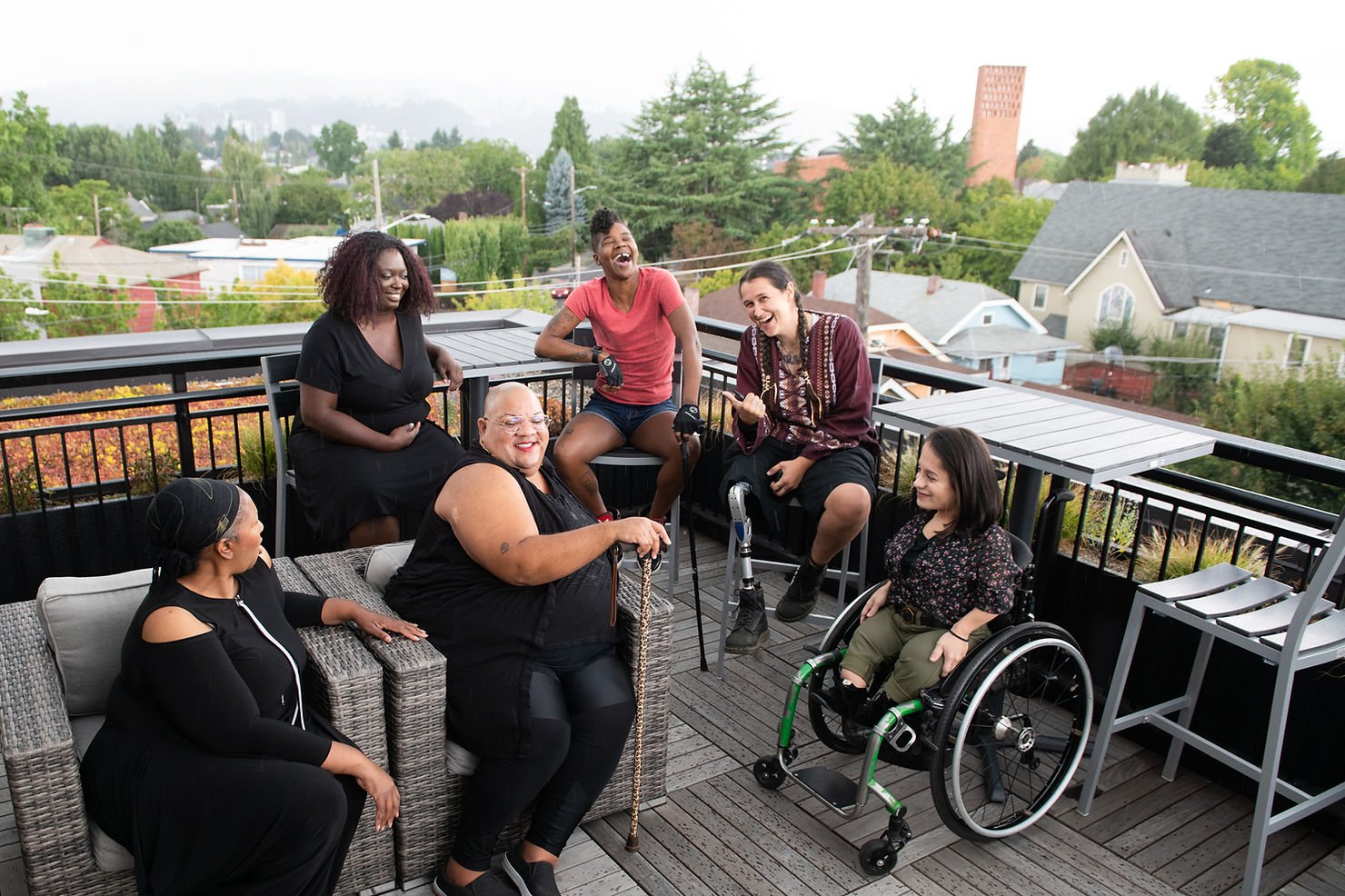
Disabled Characters: Avoiding the Tragedy or Inspiration Binary
Is your disabled character a fully realized person or simply a prop?

Writing Well-Rounded Nonbinary Characters
There's more to your nonbinary characters than pronouns and coming out stories. Read tips on how to write well-rounded nonbinary characters.

Horror Clichés: Is it Scary or is it Bigotry?
Let’s talk about some common horror cliches, how they are rooted in bigotry, and some tips on how to not perpetuate them.

Writing the Hijab
A hijab is more than just a piece of cloth. Components of religion, culture, and agency must be considered when writing this character.

How to Ethically Kill Marginalized Characters
Here you are, writing the death scene for one of your marginalized characters. Have you considered the impact of this choice?

The Weight of "Dark"
Do me a favor. Open up your manuscript and search for the word "dark." What do you notice? Are you using it literally as a physical descriptor? Figuratively, as a way to describe a mood or tone? Perhaps both? Are you noticing any trends, patterns, or maybe some problems with how you're using the word?

Diverse Books Our Sensitivity Readers Love
Sensitivity Readers from the Writing Diversely Directory shared their favorite #ownvoices books and why they love them.
Avoiding Stereotypes - Revisited
One of the best ways to effectively avoid stereotypes is being able to recognize them. Here are four documentaries that will help educate you on racial stereotypes that have been prevalent and pervasive in American media.
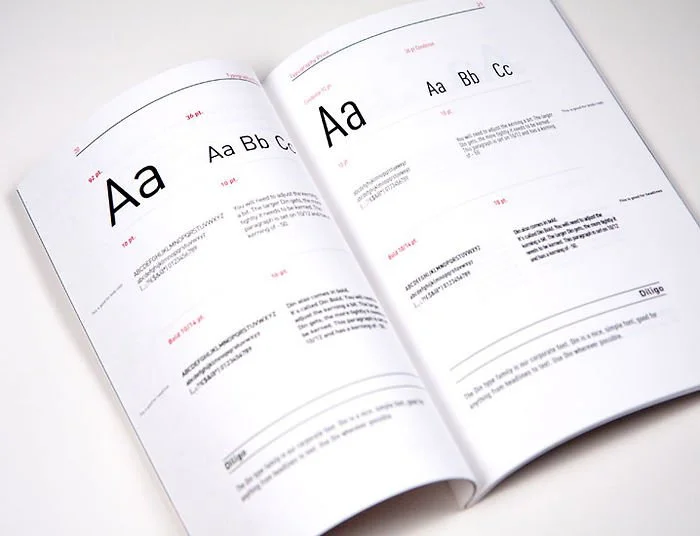
Diversity and Inclusion Style Guides
Here is a list of style guides from organizations representing marginalized groups, as well as, journalistic societies. These guides not only define terms but also directly state if they are slang, offensive, or simply outdated. Keep in mind these guides are intended for journalists which is good because they are current and thorough but don't take the context of fiction writing into account.

Dismantling the White Default
"White as default" is when whiteness is the litmus test for what is considered normal behavior, culture, and appearance. Through media, books, visual media, politics...etc. we are socialized to think it's normal to be white and everyone else is defined by their proximity to whiteness.

Finding an agent for your diverse book
Your agent should love your story and believe in it enough to pound the proverbial pavement to get it sold. With all the problems with the lack of diversity in published it's important you don't waste your time querying just any person.
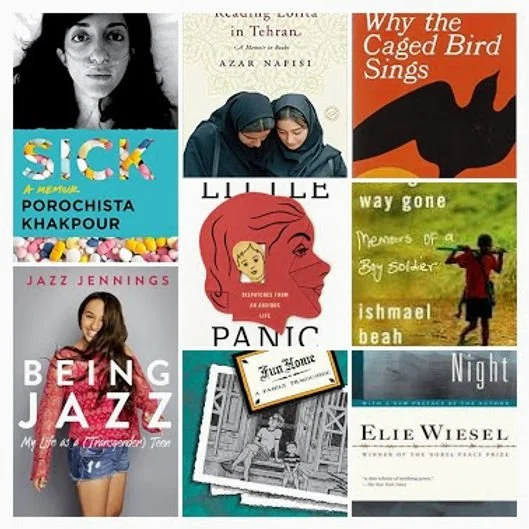
Using Memoir to Inform Fiction Writing
One of the best tips I give writers who want to create a character outside of their own identity is, read. Read about the people you want to write about. Read authors who fall into that demographic of your character. Read, read, read.

The Rules of Minimizing Marginalized Identities
If you're wrestling with the question regarding race, sexuality, or any other identity keep these things in mind.

Don't Forget Privilege
Recently I've sensitivity read manuscripts and I've been noticed characters with unacknowledged privilege and it needs to be addressed. Privilege extends far beyond the advantages of being a "straight white male." Class, able-bodiedness, religion, immigration status, sexual orientation, and so many more categories can be areas where people benefit from privilege.

Writing Atrocities: Slavery
People have done (and are doing) horrific things to one another. As writers, we put these things in our stories because they are real and filled with complex conflict. Those things get inserted into our stories, however, because they are real atrocities we need to be more scrutinizing and deliberate with how they are handled, in this post I want to talk about the use of enslaved characters.

Does your manuscript pass this diversity test?
This test can help you self-check and determine if the characters with marginalized identities have utility and meaning in the plot and aren't just Quota Characters. Administering this test and fixing the oversights to your own work can help you give your characters real meaning outside of their race, gender, disability..etc.

Coming Soon
Diverse Writing Prompt Group
This group is designed for any fiction writer looking to practice writing diversely without stereotypes or tokenism. You don’t have to be a particular identity or write a specific genre in order to join this group.
The prompts are designed to spark creativity and help members practice writing outside their identities with guidance and support from a sensitivity reader. Work is not to be critiqued.
The group meets virtually for 75 minutes, once a week for five weeks. At each meeting members will typically have two twenty minute rounds to write. Each round is followed by an optional opportunity to share.
Cost: $35