
Resource Library

“The Odyssey” and The Greatest Risk When Colorblind Casting
When a director or casting director screens possible actors for a role with colorblind casting in mind, they may not be able to objectively consider the best person for the role.
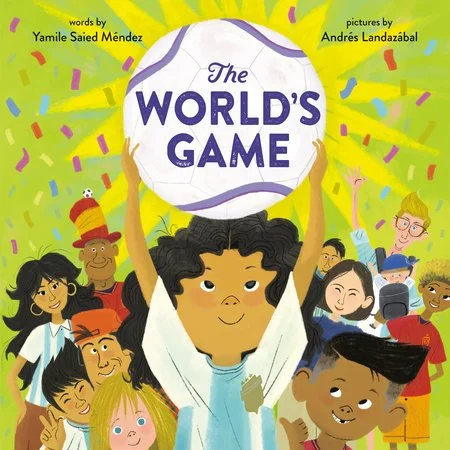
Book Rec: The World’s Game
“One field, one ball, two teams, and a whole lot of fans.” The World’s Game inserts you into an on- and off-the-field experience of a soccer (football) match. Fans cheer, players play, and the world unites.

Fantastical Racism: Writing Diverse, Imaginary Races and Cultures
When writing fantastical racism it’s a matter of how well or how deeply you would like to address and acknowledge this power system. How have you acknowledged the system of race and racism in your setting?

You, Me & Tuscany: Second Chances and "Good” Representation
Having a Black woman at the forefront of an escapist Tuscan romance can expand the visual and narrative space Black femininity is considered to exist in. And, no, not solely for love. Whether the characters are “good” representation can ultimately depend on perspective. Understand that it is important to separate likability from representation,

Is “Bridgerton” Inclusive?
Netflix’s diamond of the century, Bridgerton, is a global phenomenon that requires no introduction. All four seasons, plus the Queen Charlotte spin-off, burn in their own unique ways. But is the writing actually inclusive? According to this author, how well does each season of the show write diversely?
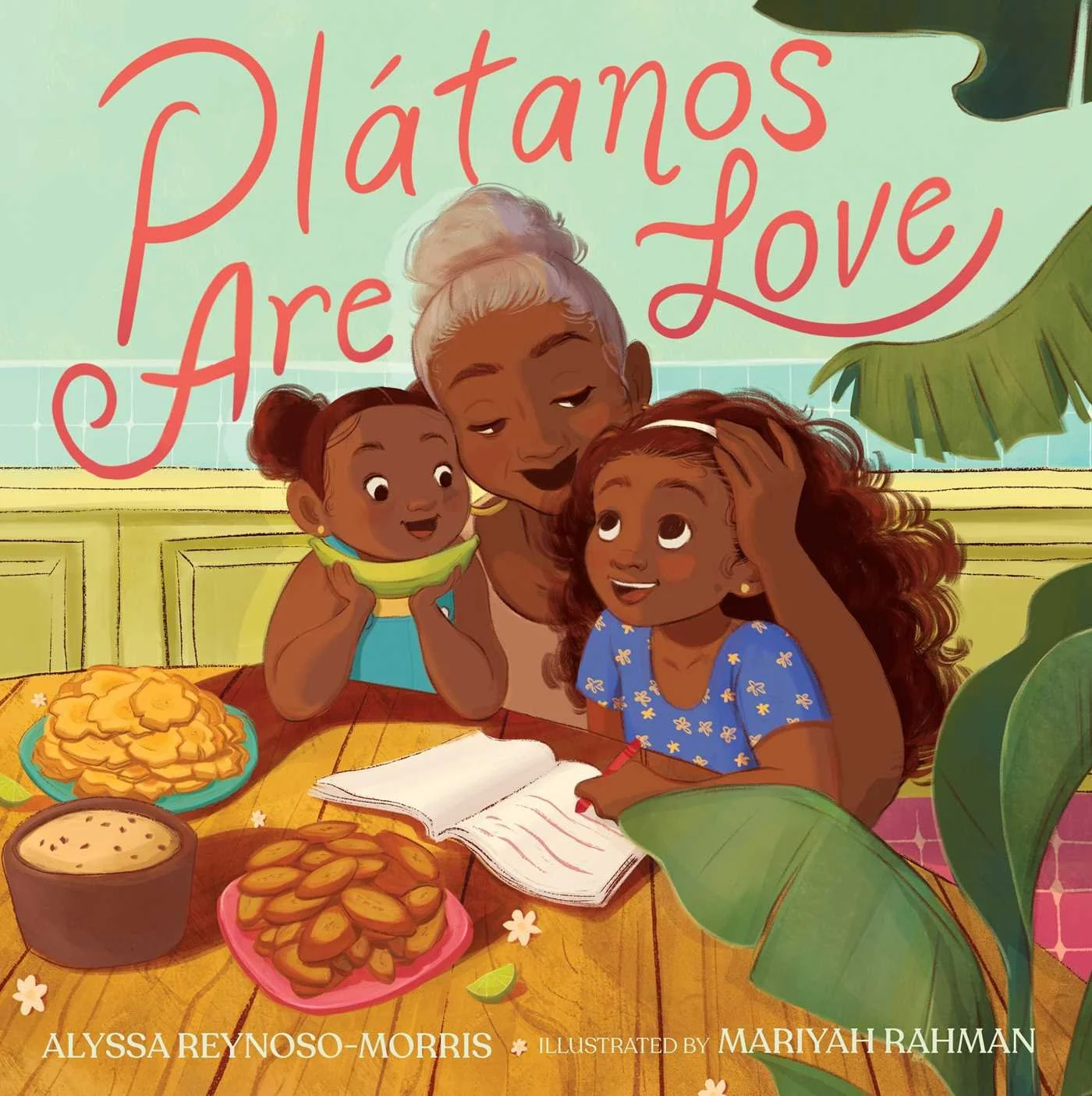
February Book Recs: New Ways to Celebrate Love
When Writing Diversely writes about love, we have to consider non-traditional as well as non-romantic forms of love. This month, our Children and Adult Book Recommendations are all about love, but not in the way you may be used to.

How to Identify and Subvert Modern Iterations of Historic Stereotypes
No one is innately an expert on stereotypes, either within their own identity or as an outsider. Proximity and membership do help, but they don’t automatically make you cognizant of the harmful ways people like you are depicted in the media.
Let’s learn how to identify and subvert modern iterations of stereotypes together.
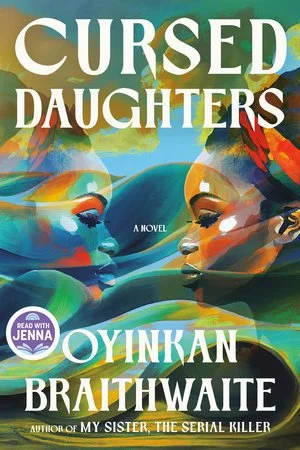
Book Rec: Cursed Daughters
This is a multigenerational saga where the personal and the collective both meet and collide in an emotionally piercing blend of family drama, cultural beliefs and superstitions, sisterhood, and sharp, witty humor.
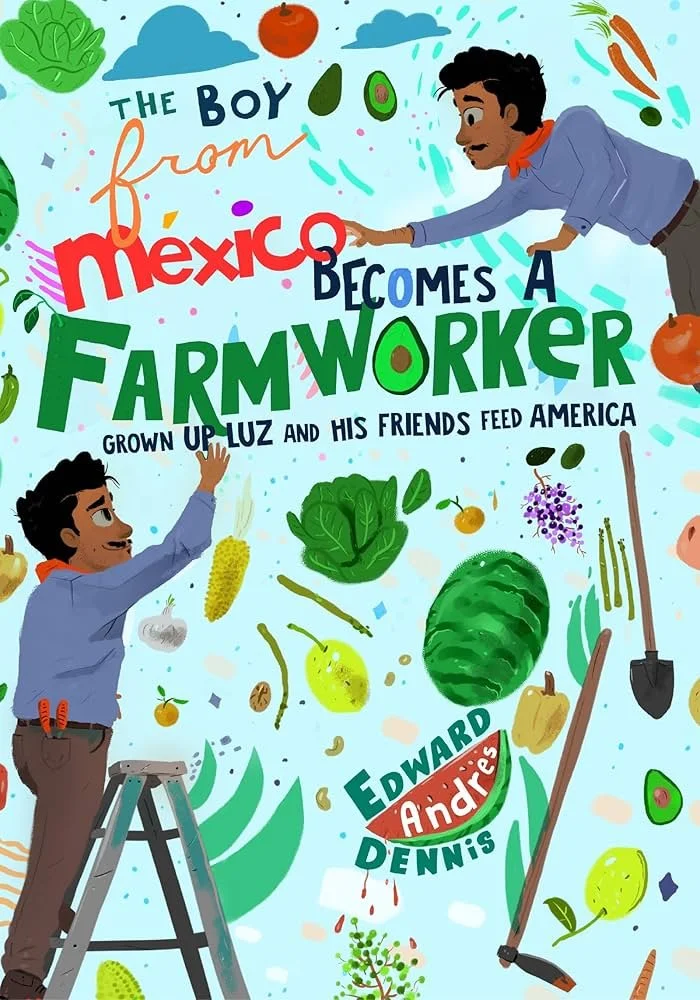
Book Rec: The Boy From Mexico Becomes a Farmworker
This is an easy-to-follow picture book story that shows Luz’s work ethic, integrity, and dreams for his family (with beautiful artwork to accompany it).

Authenticity Reading or Sensitivity Reading? Which is right for you?
You may have seen both "authenticity reading" and "sensitivity reading" thrown around blogs, social media posts, and other writing spaces, but what is the difference between the two, and which one do you need?

Book Rec: My Abuela Is a Bruja
Our October Book Selection is My Abuela Is a Bruja. An adorable look at life in Puerto Rico with a magical abuela.

D ‘n’ d: The Debate Over Whether to Capitalize the “d” in “deaf
The deaf community is highly diverse it is therefore perhaps not surprising that it can be hard to find consensus about Deaf or deaf!

Author Talk: Annie Cosby
The simple fact is that we can never truly know what someone else’s life is like. This is true, of course, of literally anyone, but there is a greater risk of harm when you’re writing characters with marginalized identities that you don’t personally have. For that reason, I think you have a greater responsibility to do everything in your power to get it right.

Writing Psychiatric Hospitalization with Accuracy and Care
Writing about a patient in a psychiatric hospital needs a lot of consideration and critical care.

Autistic Characters Deserve Good Representation
Write the character as a person, not a diagnosis. We’re complicated, interesting, and main characters in our own right.

What Authors and Publishers Can Learn from American Fiction
This isn’t a review of "American Fiction”. Instead, this post helps examine what we as writers and publishers can learn from this film that holds up a mirror to see the choices made when writing and publishing historically marginalized characters.

Busting Three Common ADHD Myths to Put The Facts in Your Fiction
With 6 million children diagnosed with ADHD in the last two decades, Attention Deficit Hyperactivity Disorder is a condition that’s rarely out of the public eye. And since so many families are affected, misinformation is rampant.

Writing an Autistic Character But Don’t Know Where to Start?
While their entire personality shouldn’t be dictated by their Autism symptoms, here’s some insight on how to describe an Autistic character.

Should I “Stay in My Lane” as a Writer?
"Should I even write this?" This series of open ended questions can help you determine if you should write that project.

Coming Soon
Diverse Writing Prompt Group
This group is designed for any fiction writer looking to practice writing diversely without stereotypes or tokenism. You don’t have to be a particular identity or write a specific genre in order to join this group.
The prompts are designed to spark creativity and help members practice writing outside their identities with guidance and support from a sensitivity reader. Work is not to be critiqued.
The group meets virtually for 75 minutes, once a week for five weeks. At each meeting members will typically have two twenty minute rounds to write. Each round is followed by an optional opportunity to share.
Cost: $35